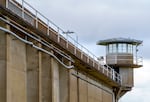
FILE - The Oregon State Penitentiary in Salem, Ore., pictured in a 2021 file photo. According to an audit, the facility and other state prisons are outdated.
Kristyna Wentz-Graff / OPB
An audit into Oregon’s prison system released Wednesday highlights crumbling infrastructure, an $861 million maintenance backlog, outdated technology and staffing shortages, all of which make the agency’s attempts to improve difficult.
“Many of Oregon’s outdated facilities – built without modern standards – are poorly lit, poorly ventilated, and dangerously hot, with limited visibility and obsolete control systems, creating uncomfortable and sometimes life-threatening conditions,” the secretary of state audit reads.
The state’s Department of Corrections oversees 12 state prisons with more than 12,000 people across the state. The prisons house people who have been sentenced to more than 12 months.
Aging facilities
The majority of the state’s prisons are in poor condition. But the Oregon State Penitentiary, built in 1866, is expected to be “functionally obsolete in the near future,” the audit notes. The Salem facility is at capacity, with about 1,750 people in long-term custody. The temperatures inside the penitentiary have gone past 90 degrees and auditors say it is “no longer suitable for modern correctional standards.”
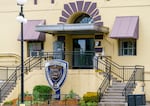
FILE - Oregon State Penitentiary in Salem, Ore., pictured in a file photo. The facility is at capacity.
Kristyna Wentz-Graff / OPB
The space is inadequate for the aging population and poses risks for both staff and those in custody. And prisons across the system don’t have adequate spaces for healthcare or education spaces.
The deferred maintenance backlog is a hefty number: $861 million, and it could be higher because previous assessments did not always include underground infrastructure such as pipes or components behind walls.
The audit noted that addressing deferred maintenance could end up saving the state in the long term.
“Replacing equipment after it has unexpectedly failed can cost 80% to 90% more than it would to replace that equipment at the scheduled time,” the audit reads.
“For example, DOC management shared the Oregon State Penitentiary’s emergency boiler replacement project cost roughly twice what a planned replacement would have, in addition to the $100,000 per month cost for a temporary boiler.”
Reforms undermined
The state’s prison system has been trying to shift its culture to encourage more humane interactions between staff and incarcerated people. Efforts to improve communication, respect and staff wellness have been shown in other countries to reduce facilities’ use of solitary confinement and improve the mental health and overall wellbeing for staff and those imprisoned. But efforts in Oregon to follow through with a culture shift have been slow.
The department is struggling with vacancies amongst its security staff, which has led to burnout and significant mandatory overtime. The agency is currently short about 260 security staff. Hiring new people can take more than 100 days, the audit reads, and it’s for high stress and demanding jobs.
In June 2024, security staff for three prisons logged 25,240 overtime hours.
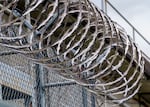
FILE - The Oregon Department of Corrections faces extensive challenges, according to an audit, including aging facilities like the State Penitentiary in Salem.
Kristyna Wentz-Graff / OPB
Security staff at the state’s prisons have also had to rely on lockdowns due to staff shortages. During lockdowns, people can be kept in their cells for 23 or more hours a day and all work and recreational activities can be cancelled.
The audit notes that the use of disciplinary segregation is decreasing, but conditions in these units are still isolating.
“Facilities are still figuring out how to provide programming and mental health services to the people housed in these segregation units.”
Obsolete technology
The technology being used is outdated and not web-based, incompatible with mobile devices and is not intuitive. The state is having a hard time upgrading its system, because the technicians that developed it have retired.
The outdated technology is also threatening the state’s ability to reduce crimes and improve outcomes for adults in custody. For example, the state has a hard time evaluating whether their programs reduce recidivism because the state’s system only tracks when an inmate started a program, not how long they stayed in the program or whether they finished it.
Health records for adults in custody are paper based, which creates a lot of inefficiencies, according to the audit.
It has also left lawmakers in the dark.
In 2025, state lawmakers asked officials at the Department of Corrections about in-custody adults who may qualify for compassionate release and were at end-of-life or needing memory or hospice care. Officials couldn’t answer the question.
“The ability to query diagnosed medical conditions such as dementia on an agency-wide basis will only be possible with the transition from paper files to electronic health records,” the audit states.
The Department of Corrections agreed with the state’s audit and recommendations to improve. Director Mike Reese agreed the issues highlighted in the audit affect the ability of his department to safely operate and deliver effective outcomes. Reese said he’s looking forward to working with the governor and Legislature to make improvements.
“The department is committed to addressing these challenges through strategic planning, modernization efforts, and continuous improvement,” he wrote in a response to the audit.